New Patients Welcome!


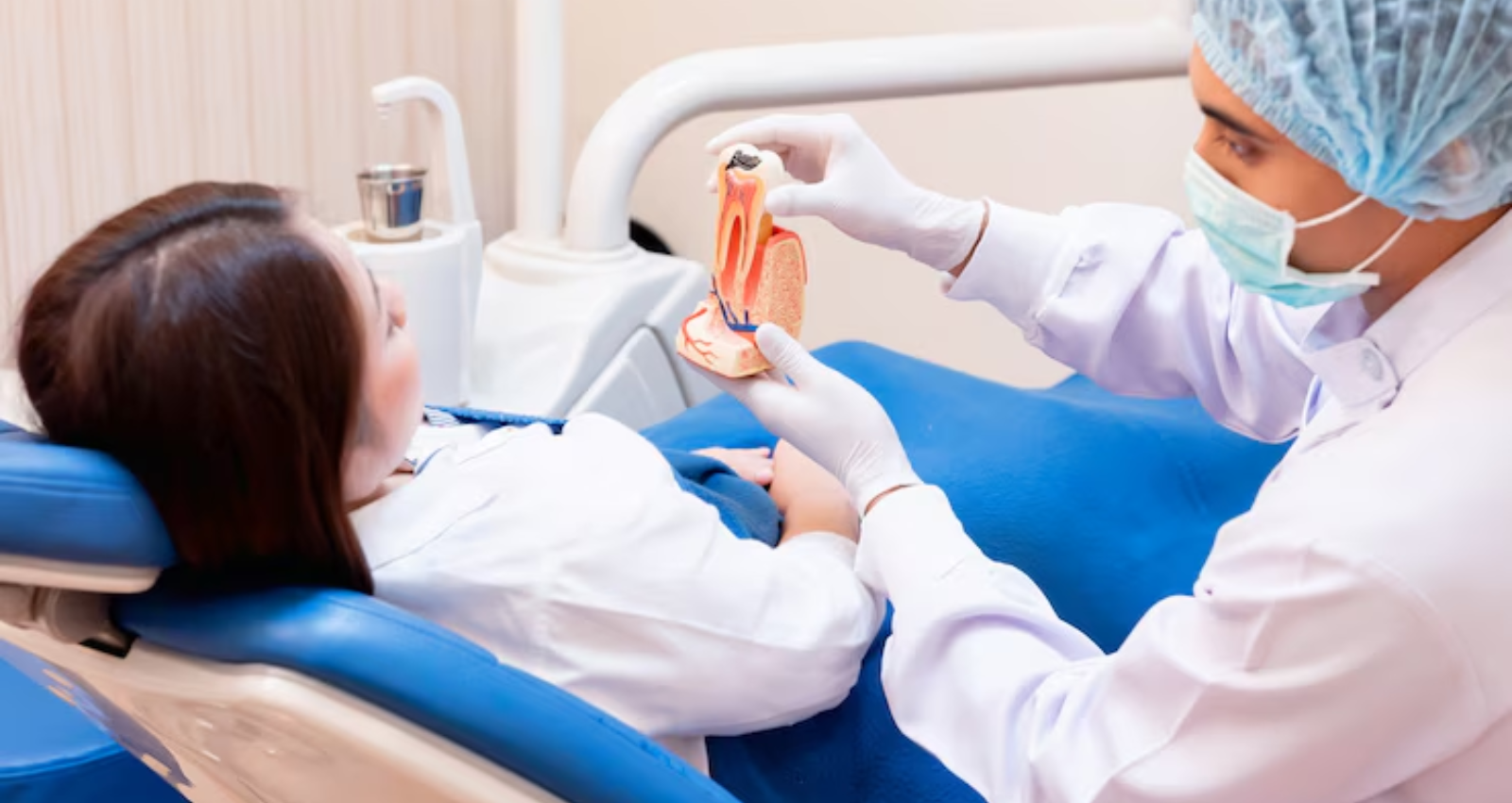
Root canal treatment, often known as endodontic therapy, is a dental procedure designed to save a tooth that has become infected or severely decayed. While the treatment itself has a reputation for being painful, modern techniques have made it a relatively straightforward and pain-free process. However, many patients wonder about the recovery time after a root canal treatment and how long it takes to feel normal again.
In this blog post, we’ll explore the typical recovery process, factors that affect healing time, what to expect after the procedure, and how to promote a smooth recovery. Whether you’ve just had a root canal or are preparing for one, this comprehensive guide will help you understand the post-treatment experience.
What Is a Root Canal Treatment?
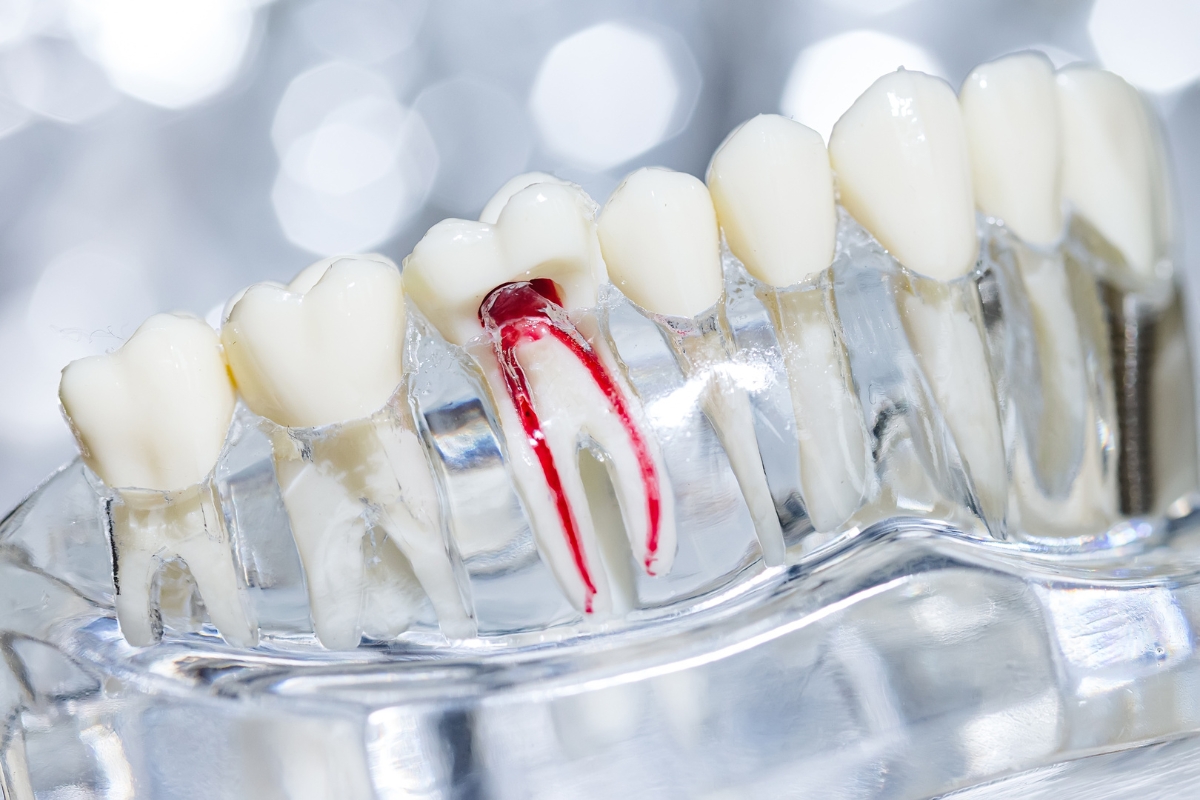
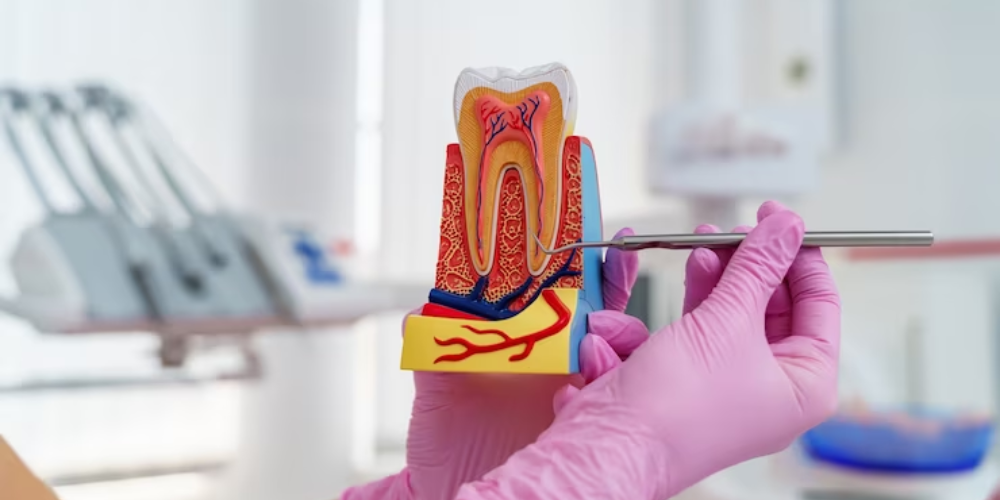
Before we dive into recovery, it’s essential to understand what a root canal treatment involves. A root canal is performed when the pulp, the soft tissue inside the tooth, becomes infected or damaged due to decay, cracks, or trauma. This infection can cause significant pain and, if left untreated, may lead to abscesses or tooth loss.
During a root canal procedure, the dentist or endodontist removes the infected pulp, cleans and disinfects the root canals, and fills the space with a biocompatible material. The treated tooth is then sealed with a temporary filling or permanent crown to protect it from further damage.
The Immediate Aftermath: What to Expect Right After the Procedure
Once your root canal treatment is completed, it’s normal to experience some level of discomfort or mild pain. Understanding what’s normal during the immediate recovery phase can help alleviate concerns and set realistic expectations.
1. Mild Pain and Sensitivity
After the local anesthesia wears off, you may feel some tenderness around the treated area. This is because your tooth and surrounding tissues have been subjected to extensive cleaning and filing, which can cause temporary irritation. Pain or sensitivity is generally mild and can be managed with over-the-counter pain relievers like ibuprofen or acetaminophen.
2. Swelling
It’s not uncommon to experience minor swelling around the treated tooth. This is your body’s natural response to the procedure and should subside within a few days.
3. Numbness
Because root canals are performed under local anesthesia, you may experience numbness in your mouth for several hours after the procedure. It’s important to avoid eating until the numbness has completely worn off to prevent accidental injury.
4. Temporary Crown or Filling
In many cases, your dentist will place a temporary crown or filling on the tooth after the root canal. This is designed to protect the tooth while a permanent crown is being fabricated. During this time, you should avoid chewing on the treated tooth until the permanent crown is in place.
How Long Does It Take to Recover After a Root Canal?
On average, most patients recover from a root canal treatment within a few days to a week. However, the exact length of time varies depending on several factors, including the complexity of the procedure and the patient’s overall health. Let’s break down the typical recovery timeline:
1. The First 24 to 48 Hours
During the first day or two following the procedure, you may experience the most noticeable discomfort. This is typically mild to moderate pain, similar to the sensation of bruising, and it should gradually improve. Pain can be managed with over-the-counter medication or, in some cases, prescribed painkillers.
- Tip: Stick to soft foods during this period to avoid putting unnecessary pressure on the treated tooth. Avoid hot or cold beverages as your teeth may still be sensitive.
2. 3 to 7 Days After the Procedure
By the third day, most of the acute pain and discomfort should start to subside. Swelling, if present, should be reduced, and sensitivity should be significantly less. During this time, the tooth is healing, and you can slowly start to resume normal activities.
- Tip: Continue to be cautious with your food choices. Avoid biting directly on the treated tooth until your dentist gives you the all-clear, especially if you still have a temporary crown.
3. 1 to 2 Weeks After the Procedure
For the majority of patients, the tooth will feel nearly normal within two weeks. You may notice some residual sensitivity or mild discomfort when chewing, but this should be minor and fade over time.
If you have not yet received a permanent crown, your dentist will likely schedule a follow-up appointment to place it during this period. Once the permanent crown is in place, your tooth will be fully restored and protected.
4. Full Recovery: 3 to 4 Weeks After the Procedure
By the end of three to four weeks, most patients are fully recovered from their root canal treatment. The tooth should feel completely normal, and you should have no more pain or sensitivity. Your dentist will assess the tooth to ensure it has healed properly, and any follow-up appointments will focus on maintaining the health of the treated tooth.
Factors That Can Affect Recovery Time
While most patients recover quickly, several factors can influence how long it takes to fully heal after a root canal treatment:
1. The Extent of the Infection
If the infection in the tooth was severe, it could take longer for the tooth and surrounding tissue to heal. In some cases, additional procedures may be required to fully eliminate the infection, prolonging the recovery period.
2. Complexity of the Root Canal
Some teeth have multiple or curved root canals, making the procedure more complex. This can lead to a slightly longer recovery time as the tooth may have undergone more extensive treatment.
3. Pre-Existing Dental Conditions
If you have pre-existing conditions like gum disease or significant tooth decay, recovery may take longer. Your dentist may need to address these conditions before or after the root canal to ensure complete healing.
4. Post-Treatment Care
How well you follow post-treatment care instructions can significantly affect your recovery time. Proper oral hygiene, avoiding hard foods, and attending follow-up appointments all play a role in promoting a swift recovery.
5. Immune System Health
Patients with compromised immune systems may experience a slower healing process. If you have a condition that affects your body’s ability to heal, consult with your dentist to develop a personalized recovery plan.
Tips for a Smooth and Speedy Recovery
To ensure a quick recovery after your root canal, here are some best practices to follow:
1. Follow Your Dentist’s Instructions
Your dentist will provide you with specific instructions on how to care for your tooth after the procedure. Be sure to follow these instructions carefully to avoid complications.
2. Take Pain Medications as Prescribed
Even if you feel fine, it’s important to take any prescribed pain medications to reduce inflammation and prevent unnecessary discomfort.
3. Maintain Good Oral Hygiene
Keep your mouth clean by brushing and flossing regularly, but be gentle around the treated area. Your dentist may recommend using an antiseptic mouthwash to prevent infection.
4. Eat Soft Foods
Stick to a diet of soft foods like yogurt, mashed potatoes, and scrambled eggs for the first few days after your procedure. Avoid crunchy, hard, or sticky foods that could cause pain or dislodge the temporary crown.
5. Avoid Smoking and Alcohol
Smoking and alcohol consumption can slow down the healing process and increase the risk of infection. Avoid these habits until your dentist gives you the green light.
When to Call Your Emergency Dentist
While most root canal recoveries are uneventful, it’s important to know when to contact your emergency dentist. Here are some signs that indicate you may need immediate care:
1. Severe, Prolonged Pain
If your pain doesn’t subside after a week or if it becomes severe, this could indicate a problem with the treatment. Persistent pain may suggest that the infection wasn’t fully eliminated or that the tooth is damaged in another way.
2. Swelling That Worsens Over Time
Minor swelling is normal, but if it worsens or is accompanied by fever or pus, you may have an infection that requires immediate attention.
3. Loose or Damaged Crown
If your temporary or permanent crown feels loose, dislodged, or damaged, contact your dentist to have it repaired or replaced. A loose crown can expose the treated tooth to further infection.
The recovery time after a root canal treatment is typically quick, with most patients feeling back to normal within a week or two. While minor discomfort is expected, severe pain or prolonged symptoms are not. By following your dentist’s advice, practicing good oral hygiene, and seeking help if necessary, you can ensure a smooth recovery and protect your newly treated tooth for years to come.