New Patients Welcome!



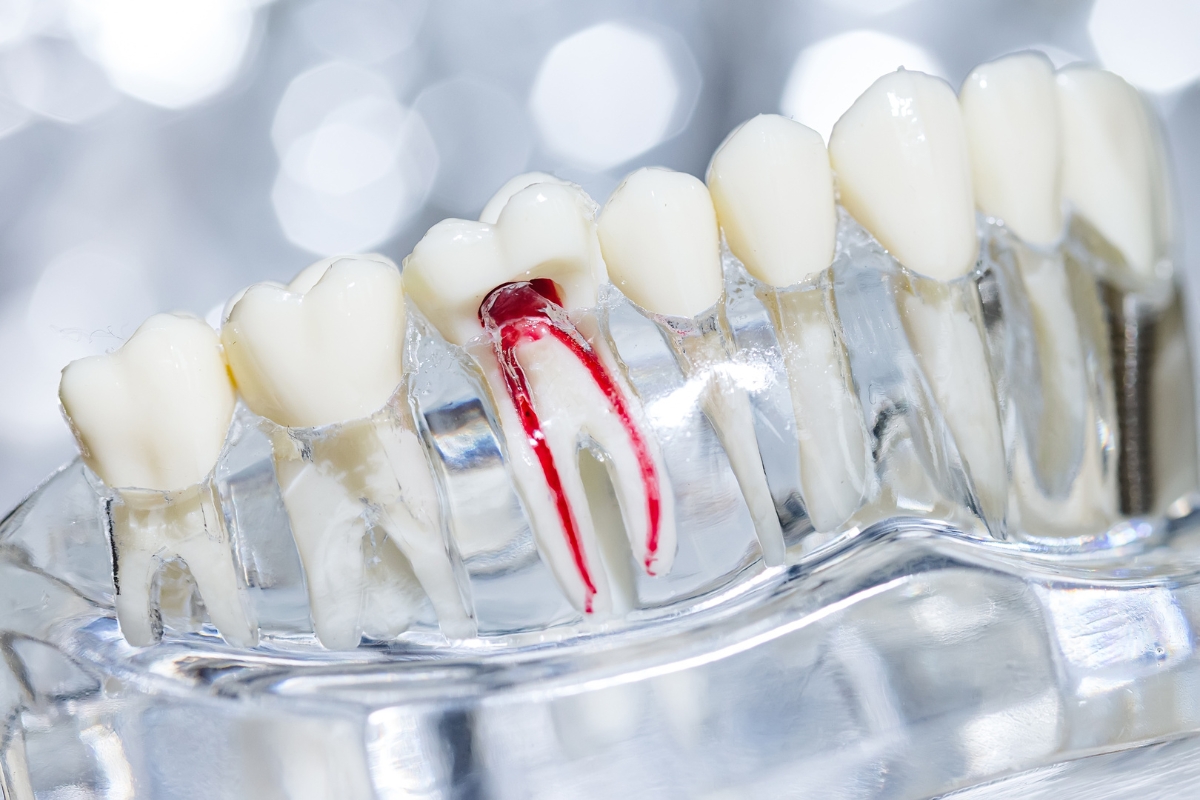
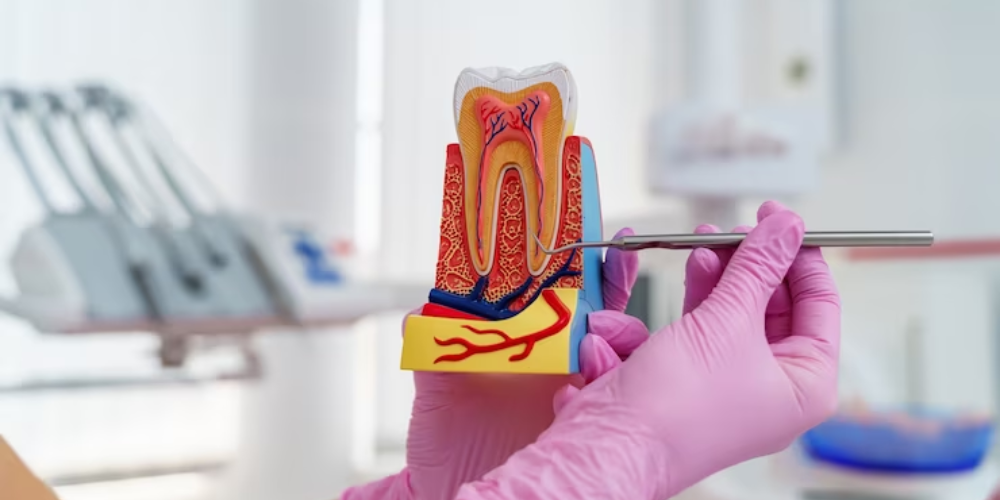
Root canal treatment is a common dental procedure designed to eliminate infection from the pulp of a tooth and protect it from future microbial invasion. Although the procedure is generally successful in relieving pain and preserving the tooth, the recovery period requires special attention, especially regarding diet. Eating the right foods post-treatment can facilitate healing, reduce discomfort, and prevent further dental issues. In this blog post, we’ll explore the best foods to eat after root canal treatment, along with some general tips for a smooth recovery.
Understanding the Recovery Process
Before diving into the specifics of what to eat, it’s essential to understand what happens during the recovery period after a root canal:
- Tenderness and Sensitivity: The treated area will likely be tender and sensitive for a few days. This is a normal part of the healing process.
- Avoiding Hard and Chewy Foods: To protect the tooth and surrounding tissues, avoiding foods that require excessive chewing or are hard and crunchy is crucial.
- Maintaining Oral Hygiene: Good oral hygiene prevents infection and promotes healing.
Given these considerations, the goal is to choose soft, nutritious, and easy-to-chew foods.

Ideal Foods Post-Root Canal Treatment
1. Smoothies and Shakes
Smoothies and shakes are excellent choices because they are easy to consume and can be packed with nutrients. Here are some ideas:
- Fruit Smoothie: Blend together fruits like bananas, berries, and mangoes with yogurt or milk. Add a spoonful of protein powder for an extra boost.
- Green Smoothie: Combine spinach, kale, and other leafy greens with a banana and some almond milk. This is a great way to get your vegetables without chewing.
- Protein Shake: Use a high-quality protein powder mixed with milk or a milk alternative. Add in some peanut butter or a banana for flavor.
2. Soups and Broths
Soups and broths are comforting and easy to eat. Opt for nutrient-rich options that can aid in recovery:
- Chicken Broth: A classic choice, chicken broth is soothing and provides essential nutrients.
- Vegetable Soup: Blend cooked vegetables into a smooth soup. Carrots, potatoes, and squash are all good options.
- Lentil Soup: Lentil soup is filling and nutritious and high in protein and fiber. Ensure the lentils are well-cooked to avoid any hard bits.
3. Mashed Vegetables
Mashed vegetables are easy to prepare and consume. They can be seasoned to taste and provide a variety of nutrients:
- Mashed Potatoes: A classic comfort food, mashed potatoes can be made with butter and milk for added creaminess.
- Mashed Sweet Potatoes: Rich in vitamins and minerals, mashed sweet potatoes are delicious and nutritious.
- Cauliflower Mash: A lower-carb alternative to mashed potatoes, cauliflower mash can be seasoned with garlic and herbs.
4. Soft Proteins
Protein is essential for healing, and many soft protein options are easy on the teeth:
- Scrambled Eggs: Soft and easy to chew, scrambled eggs are an excellent source of protein.
- Tofu: Silken tofu is particularly soft and can be added to soups or blended into smoothies.
- Fish: Soft, flaky fish like salmon or cod can be gently cooked and served with mashed vegetables.
5. Dairy Products
Dairy products are generally soft and can provide calcium, which is important for dental health:
- Yogurt: For a probiotic boost, choose plain or Greek yogurt. For flavor, add honey or soft fruits.
- Cottage Cheese: Soft and easy to eat, cottage cheese is also rich in protein.
- Soft Cheese: Cheese like mozzarella or brie can be consumed in small, bite-sized pieces.
6. Pasta and Rice
Soft, well-cooked pasta and rice can be comforting and easy to eat:
- Macaroni and Cheese: Soft pasta in a creamy cheese sauce is both comforting and easy to chew.
- Rice Porridge: Also known as congee, rice porridge is a traditional comfort food in many cultures and can be flavored with broth or milk.
7. Soft Fruits
While some fruits can be hard and crunchy, many are soft and easy to eat when ripe or cooked:
- Bananas: Soft and easy to chew, bananas are also rich in potassium.
- Applesauce: Applesauce is a great way to enjoy apples without chewing.
- Baked or Stewed Fruits: Pears, peaches, and plums can be baked or stewed until soft and tender.
8. Oatmeal and Other Porridges
Oatmeal is a nutritious and filling option that can be easily customized:
- Oatmeal: Cooked until soft and topped with honey or soft fruits, oatmeal is a great breakfast option.
- Cream of Wheat: Similar to oatmeal, cream of wheat is smooth and can be flavored to taste.
Foods to Avoid
To protect your healing tooth and avoid discomfort, it’s essential to avoid certain foods during the recovery period:
- Crunchy Foods: Chips, nuts, and raw vegetables can be hard on the treated tooth.
- Sticky Foods: Caramel, chewing gum, and certain candies can stick to the tooth and cause discomfort.
- Hard Foods: Hard candies, pretzels, and crusty bread should be avoided as they can damage the treated tooth.
- Spicy Foods: Spicy foods can irritate the gums and should be avoided until healing.
- Hot or Cold Foods: Extreme temperatures can cause sensitivity and should be avoided.
General Tips for Recovery
In addition to choosing the right foods, here are some general tips to ensure a smooth recovery:
- Follow Your Dentist’s Instructions: Always adhere to the post-procedure care instructions provided by your dentist.
- Maintain Good Oral Hygiene: Continue to brush and floss regularly, but be gentle around the treated area.
- Stay Hydrated: Drink plenty of water to help with the healing process.
- Rest: Allow your body time to heal by getting plenty of rest.
- Manage Pain: Use over-the-counter pain relievers as your dentist recommends to manage discomfort.
Eating the right foods after a root canal treatment is crucial for a smooth recovery. Soft, nutritious foods like smoothies, soups, mashed vegetables, soft proteins, and dairy products can provide the necessary nutrients while gently treating the tooth. Avoiding hard, crunchy, sticky, and spicy foods will help prevent discomfort and protect the healing area. Following these dietary guidelines and taking care of your oral hygiene can ensure a swift and comfortable recovery after your root canal treatment.
Always consult with your dentist if you have any concerns or questions about your post-treatment diet and care. Your dentist’s guidance and dietary tips will help you quickly navigate the recovery process.