New Patients Welcome!


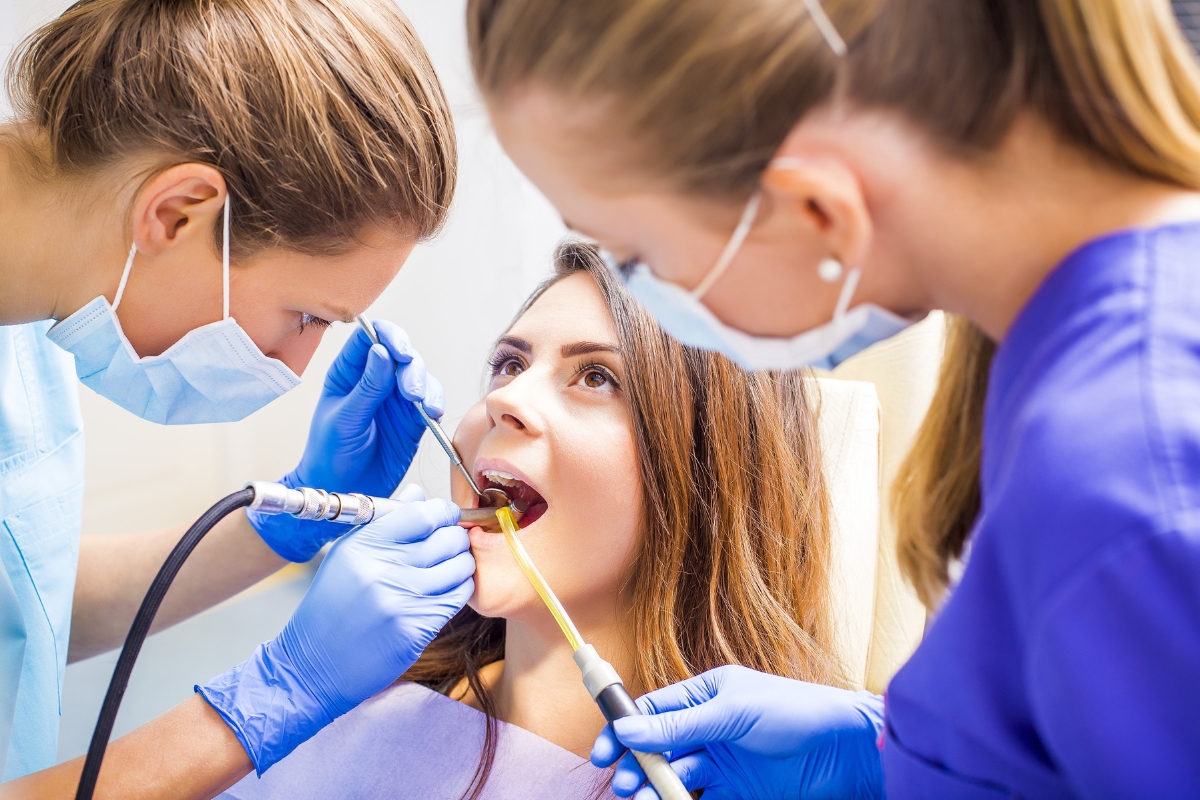
The fillings keep the teeth safe from further damage, but it is possible for there to be some sensitivity afterward. You may feel pain when you drink cold water, have coffee, or bite down on something sugary. This is because the inner layer of the tooth, which is called dentin, is quite sensitive to any kind of sudden pressure or temperature changes.
The American Dental Association notes that sensitivity after a filling generally subsides after a few weeks. However, patients are willing to know why this happens and how they can tell the difference between normal healing and something that needs attention.
What Causes Sensitivity in Teeth After Dental Fillings?
Sensitivity after a filling largely depends on how your tooth responds to treatment. The following are common reasons:
- Pulp inflammation: Interior tooth soft tissue can become irritated during the procedure, especially if the decay was extensive.
- Bite change: If the filling is slightly too high, chewing will put extra pressure on the tooth.
- Material response: Composite resin relaxes with warm or cold foods, which will temporarily affect the tooth nerve.
- Sensitivity of the teeth following dental fillings: Sometimes, the nerves just need some time to settle out after having the dental work done.
While mild sensitivity is understandable, pain that does not go away or worsens should be checked by your dentist.
For most people, sensitivity reduces within two to four weeks. The level of severity also decreases over time as the tooth acclimatizes. Pain staying longer than this period of time, or aching that occurs without eating food or drinking, may indicate an underlying condition such as pulpitis or a bite issue that must be addressed.
Your dentist can quickly adjust a high composite filling in West Palm Beach or resolve other related issues. Correcting the issue at an early stage ensures long-term comfort and prevents further dental problems.
Home Remedies to Reduce Sensitivity
Meanwhile, holding out for sensitivity to pass, there are simple things to try that can make daily life painless:
- Use a sensitive, teeth-friendly toothpaste with potassium nitrate or stannous fluoride, which lowers the stimulation of the nerves.
- Steer clear of extremes like extremely hot coffee or extremely cold drinks until the tooth acclimates.
- Eat on the other side to reduce pressure while eating.
- Use gentle brushing with a soft-bristled toothbrush to avoid further irritation.
- Good oral hygiene prevents bacteria from traveling down to the borders of the filling.
Why Composite Fillings Are Worth It
Composite fillings are popular because they blend in with your natural tooth color, are not seen between your teeth, and are bonded securely to tooth enamel. For patients considering a composite filling in West Palm Beach, the benefits extend far beyond cosmetics. They preserve more of your own tooth structure compared to old alternatives like amalgam.
While temporary sensitivity can occur, composite fillings are safe and durable for restoring a tooth.
When to Call Your Dentist
Tooth sensitivity should not stop you from enjoying daily activities for long. If you’ve got:
- Pain that lasts more than four weeks
- Pulsating pain that keeps you awake at night
- An unexpected, sharp pain when biting that’s different from sensitivity
…it’s best to schedule a follow-up visit. Your dentist will check the filling and fix it if needed.
Dental fillings are an important aspect of preserving natural teeth. Though post-treatment sensitivity is normal, it is temporary and transient. With simple home care procedures and keeping in contact with your dentist, you can reduce pain and protect your smile for the long run.