
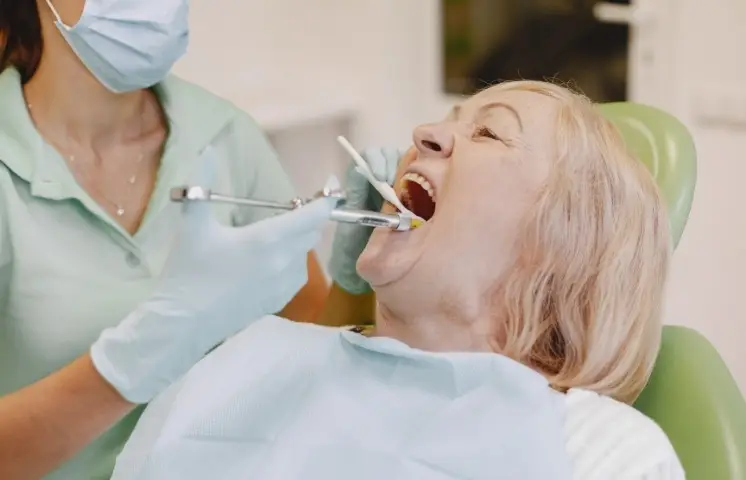
As we age, our dental needs evolve. For seniors, maintaining oral health can become more complex due to natural changes in the teeth and gums and the impact of other medical conditions. Unfortunately, dental emergencies can strike at any age, but seniors may be at a higher risk due to dry mouth, tooth decay, gum disease, and compromised immune systems. Knowing how to handle these dental emergencies can significantly prevent long-term damage and alleviate discomfort. This is where emergency dentistry becomes crucial.
Common Dental Emergencies for Seniors
Seniors face unique dental challenges that can lead to unexpected emergencies. While some dental issues are more common in older adults, knowing how to respond can prevent them from escalating. Here are a few of the most frequent dental emergencies for seniors:
- Broken or Lost Dentures
- Problem: Dentures are a lifeline for many seniors but are susceptible to damage, significantly if they are dropped or improperly cleaned. A broken denture can be a painful and embarrassing experience.
- Solution: If you experience a broken or lost denture, don’t attempt to fix it yourself with adhesives. Instead, contact an emergency dentist immediately to have it repaired or replaced. In the meantime, store the denture in water to keep it from warping.
- Tooth Decay and Cavities
- Problem: Tooth decay is more prevalent among seniors due to dry mouth, medication side effects, and weakened enamel. Cavities in older teeth can progress quickly and lead to severe pain or infection.
- Solution: If you experience a sudden toothache or sensitivity, it could be a sign of an untreated cavity. This type of dental emergency should not be ignored. Visiting an emergency dentist will allow them to assess the damage and perform any necessary fillings or treatments.
- Gum Infections or Abscesses
- Problem: Gum disease is common in seniors and can lead to gum infections or abscesses if left untreated.
- Solution: Gum infections can quickly worsen and lead to more severe health issues, so if you notice symptoms like pain, swelling, or a bad taste in your mouth, don’t wait. Call an emergency dentist who can perform a deep cleaning or prescribe antibiotics to resolve the infection.
- Broken or Chipped Teeth
- Problem: Our teeth naturally become more brittle and prone to breaking as we age. Seniors may also experience broken teeth due to accidents or even hard foods that put stress on weakened enamel.
- Solution: A broken tooth needs immediate attention, whether due to trauma or decay. If you break a tooth, rinse your mouth with warm water to prevent infection, apply a cold compress if there’s swelling, and contact an emergency dentist in West Palm Beach. Depending on the severity of the break, they may recommend a crown, a filling, or even a root canal.
- Loose or Shifted Teeth
- Problem: Tooth mobility becomes a more significant concern as we age, especially for seniors with gum disease or previous dental work. If a tooth becomes loose, it could result from advanced gum disease or an injury.
- Solution: A loose tooth should not be ignored, especially if it is causing pain. If you experience this issue, visit an emergency dentist right away. The dentist will determine the cause and either secure or extract the tooth if necessary.
Tips for Handling Dental Worst Case Scenarios
While it’s always best to contact an emergency dentist as soon as a dental emergency arises, there are steps you can take to manage the situation before your appointment. These tips will help reduce discomfort and prevent further damage.
- Keep a List of Important Contacts
- Ensure you have your emergency dentist’s contact information saved on your phone or in an easily accessible location. This will save you time and stress when a dental emergency occurs.
- Use a Cold Compress
- Applying a cold compress to the outside of your cheek for toothaches or facial swelling can help reduce pain and inflammation. Avoid putting ice directly on your skin to prevent frostbite.
- Avoid Hard or Sticky Foods
- If you have loose teeth, broken dentures, or dental pain, avoid chewing hard or sticky foods that could worsen the situation. Soft foods and liquids are easier on your teeth and gums.
- Preserve a Lost Tooth
- If you lose a tooth, handle it gently by the crown (the top part) and rinse it with water. Place the tooth back in its socket or store it in milk until you can get to the emergency dentist. Always make sure to act quickly in case of dental emergencies.
- Stay Calm and Don’t Delay
- Dental emergencies are stressful, but delaying treatment can make the situation worse. Whether you have a loose tooth, severe pain, or a broken denture, seek help from emergency dentistry professionals immediately.
The Role of an Emergency Dentist in Senior Care
An emergency dentist plays a crucial role in seniors’ oral health. Their expertise is needed to quickly address issues that can impact a senior’s well-being long-term. An emergency dentist will treat the immediate problem and advice on maintaining better oral health and preventing future issues. Regular dental checkups with a dentist who specializes in senior care can also help spot potential problems early, reducing the need for emergency treatments.
Staying Prepared for Dental Emergencies in Seniors
Dental emergencies in seniors are not uncommon, but knowing how to manage them can help prevent long-term damage and discomfort. Whether it’s broken dentures, severe toothaches, or gum infections, an emergency dentist can provide the care needed. Always keep an emergency dentist’s contact information on hand, and don’t hesitate to seek professional help when a dental emergency strikes.